

Feeding children, fostering futures.
Strengthening farmers, opening markets.
By connecting farmers, markets, and communities, we create pathways to long-term growth.
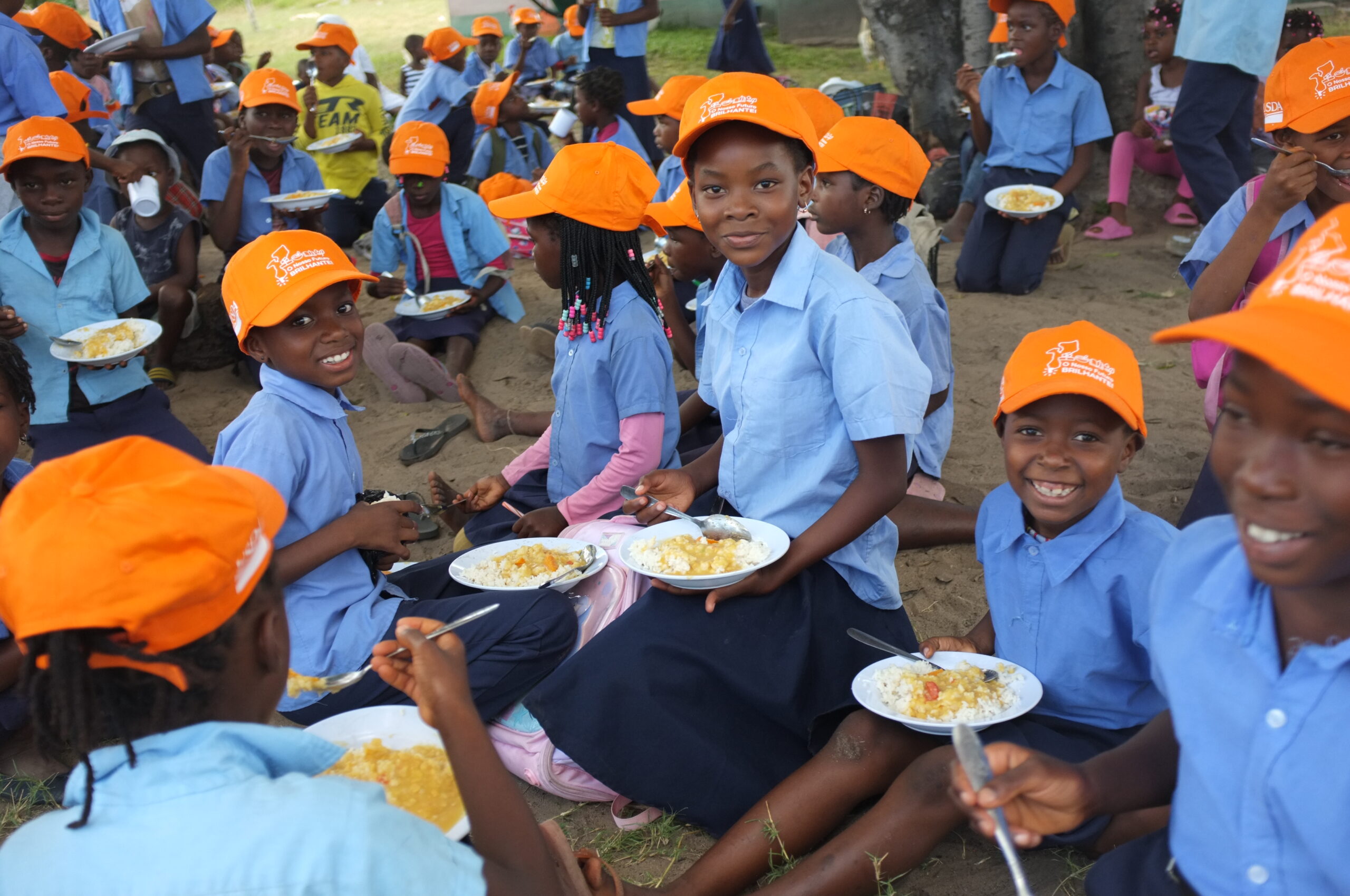
In many communities, a simple school meal can be the difference between a child attending class or staying home. Counterpart supports school feeding programs that reach children with a combination of crops grown by farmers in their own communities, alongside food sourced through partnerships with farmers in the United States.
Connecting Agriculture to Opportunity
These connections link farmers across borders and turn agriculture into a shared engine of opportunity.
It turns everyday work into meaningful impact:
- Farmers grow food
- Markets function
- Schools serve meals
- Children stay in class
But the goal isn’t just to provide food for today. It’s to build something that lasts.
Building Stronger Agricultural Systems
Counterpart strengthens the systems that make agriculture work, from how food moves through supply chains to how farmers access markets and sell their products. By connecting farmers, businesses, and governments, we help create reliable demand, expand trade relationships, and ensure that food reaches the communities that need it most.
Expanding Markets and Trade
We also focus on expanding market opportunities and strengthening trade relationships between the United States and partner countries. By supporting more efficient supply chains, improving how markets function, and connecting producers, buyers, and businesses, we help create the conditions for long-term commercial growth. This work opens new opportunities for U.S. agricultural products in emerging markets while helping farmers and businesses abroad participate more fully in global trade.
When these systems function well, the benefits are shared. U.S. farmers gain access to stable and growing markets. Farmers abroad improve productivity and income. Children receive nutritious meals and are better able to learn. Communities become more resilient and better positioned for the future.
Portfolio Highlights
Our programs create practical, measurable impact across agriculture, nutrition, education, and economic development. By partnering with governments, producer organizations, private sector actors, and local communities, we help strengthen supply chains, expand market opportunities, and improve livelihoods while advancing sustainable development goals.
Delivering U.S. agricultural commodities through trusted supply chains (McGovern-Dole)
Through school feeding programs, Counterpart delivers U.S. commodities including wheat, rice, vegetable oil, and pulses through transparent and reliable supply chains to schools in countries such as El Salvador, Senegal, Mauritania, and Benin. These programs improve nutrition and school attendance while helping sustain consistent international markets for U.S. agricultural producers and build long-term demand as economies grow.
Strengthening agricultural markets and supply chains (Food for Progress)
In programs in Kenya and Colombia, Counterpart works to strengthen agricultural markets and expand opportunities for agricultural commodities and inputs. In Kenya, this includes supporting the livestock feed sector, including the use of commodities such as sorghum and soybeans. In Colombia, the program engages with the tree nut sector, supporting supply chains that connect agricultural production with growing demand in confectionery and chocolate markets.
Expanding market access through partnerships
In Guatemala, Counterpart partnered with coffee producer organizations to achieve USDA Organic certification, helping farmers meet U.S. and international market standards. Through collaboration with ANACAFÉ and global buyers such as Starbucks, the program strengthened export supply chains and connected smallholder producers to higher-value markets aligned with U.S. standards.
Leading Change, One Harvest at a Time
Esperanza lives in Huehuetenango, Guatemala, where her life was shaped by loss and hardship. After losing her father and being left to care for her children alone, she inherited a small plot of land and the debts of a struggling coffee cooperative.
When she first engaged with Counterpart’s program, she faced resistance and skepticism from others in her community. But with training, technical support, access to credit, and connections to markets, she began to rebuild, first her farm, then her cooperative.
Within a few years, Esperanza paid off her debts and began earning a profit. Today, she leads one of the top coffee exporting cooperatives in her region, producing specialty coffee sold in markets across Europe, Asia, and the United States. Her cooperative has grown to hundreds of members, most of them women.
Esperanza means “hope” in Spanish. Today, she is not only providing for her family, she is a leader in her community and a symbol of what is possible when farmers have the opportunity to grow, connect to markets, and succeed.